
- in Production by Bobby Owsinski
Talking Postproduction and Music Licensing With Gary Gray On My Latest Podcast
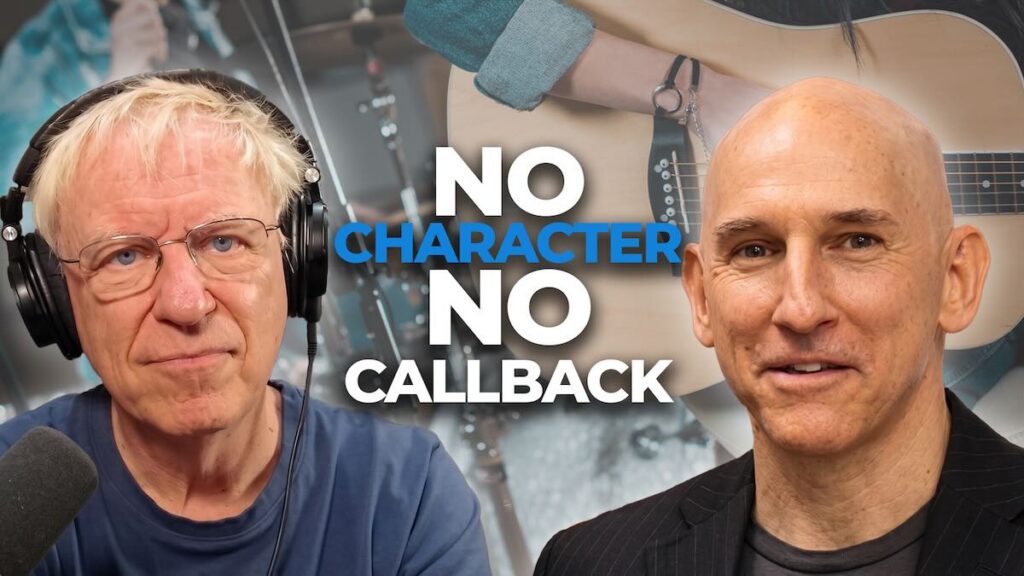
What matters more in the music business, mastering every plugin, or becoming the kind of person people want to hire again?
On this week’s podcast episode, I talk with songwriter, producer, engineer, and educator Gary Gray about music licensing, post production, rhythmic integrity, AI, immersive audio, and the character traits that keep people working in a changing industry.
Gary shares how his early life as a drummer, his music theory training, and his work alongside artists and mentors like Quincy Jones shaped the way he approaches production and problem solving.
He explains why he often fixes rhythm first when a deadline is tight, why written music licensing briefs can leave composers guessing, and how You Score the Scene helps composers submit music synced directly to picture.
The conversation also gets into Gary’s work studying cinematography, shooting professional footage on an iPhone, the stigma around AI tools, consumer demand for immersive audio, and why “character counts” may be the most important business advice for anyone in music, production, or post.
In This Episode . . .
- How Gary Gray went from drums to piano, production, and post production
- Why music theory became the foundation of Gary’s creative work
- How rhythmic integrity can solve production problems under pressure
- The chance meeting that led to Gary’s friendship with Quincy Jones
- Why traditional music licensing briefs often leave composers guessing
- How You Score the Scene lets composers submit music synced to picture
- Why AI can be powerful when the user already knows the craft
- Why character and reliability can matter more than raw talent
And much more.
You can hear it at bobbyoinnercircle.com, or via Apple Podcasts, Amazon Music, YouTube Music, Mixcloud, Spotify, Deezer, TuneIn Radio, or RadioPublic.
___
Also, a video version of this podcast is now available on YouTube as well.
