Category Archives for "Book Excerpt"

One of the reasons why we record elements in stereo is to capture the natural ambience of an instrument. Because we can’t always record everything this way, we must create this aural space artificially, and that can be a problem for some new to mixing. There are so many choices and variables available with effects […]
Continue reading
The essence of mixing is the balance between instruments or mix elements. No matter how good you are at other aspects of the mixing process, if you don’t get the balance right, you don’t have a mix. Here are some questions to ask yourself as well as 6 exercises taken from my Audio Mixing Bootcamp book that […]
Continue reading
Even if you never intend to record an ensemble larger than a standard rock, pop, or jazz rhythm section, a good grasp on the many techniques for stereo recording is essential and will come in handy sooner or later. One basic stereo technique is the spaced-pair, which is two identical mics placed several feet apart and […]
Continue reading
A condenser microphone can sometimes require some extra attention that other types of mics don’t need. Here are a number of tips from the 4th edition of my Recording Engineer’s Handbook that can not only prolong the life of your mic, but also keep its performance as high as the day it left the factory. […]
Continue reading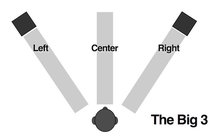
One of the most overlooked or taken for granted elements in mixing is panorama, or the act of placing a sound element in the soundfield. To understand panorama we must first understand that the stereo sound system (which is two separate audio channels, each with its own speaker) represents sound spatially. Panning lets us select […]
Continue reading
Best known for his work the hard rock bands Dio, Dokken, Foreigner, Bad Company and Great White, engineer Wyn Davis style in that genre is as unmistakable as it is masterful. From his Total Access Recording studio in Redondo Beach, California, Wyn’s work typifies old-school engineering coupled with the best of modern techniques. Here’s an excerpt […]
Continue reading
Before you can even delve into creating a great mix, it’s good to be aware of the traits of one that isn’t there yet. These 7 signs of a amateur mix come from the 4th edition of my Mixing Engineer’s Handbook and are useful in picking out problem areas, looking at it from a global […]
Continue reading
After maintenance stints at such prestigious facilities as the Hit Factory in New York City and Ocean Way in Hollywood, Bock Audio Designs (formerly Soundelux) founder and managing director David Bock went from repairing vintage microphones to manufacturing them. David now utilizes his expertise to produce updated versions of the studio classics 251, U 47, […]
Continue reading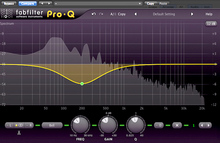
Equalization is one of the most difficult parts of recording to get the hang of since there’s literally almost an infinite number of possibilities. Most of us learn by experience and usually massive amounts of trial and error, but there are some very simple general guidelines that can be an enormous help for those new to […]
Continue reading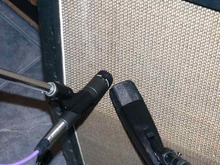
There’s so much to more to getting a great electric guitar sound that goes beyond just slapping a miking in front of an amplifier speaker. These 10 tips from the 4th edition of my Recording Engineer’s Handbook will help take that guitar sound to the next level in the majority of situations that you’ll run […]
Continue reading
It’s hard to underestimate the influence that engineer Doug Sax had on the business of mastering. He was one of the first independent mastering engineers and literally defined the art when he opened his world-famous Mastering Lab in Hollywood in 1967. Sadly, Doug passed away in 2015, but his magic remains a big part of […]
Continue reading
There are few more versatile engineers today than Michael Bishop, easily switching between the classical, jazz, and pop worlds with ease. Shunning the current recording method requiring massive overdubbing, Michael instead mostly utilizes the “old school” method of mixing live on the fly with spectacular results. A former chief engineer for the audiophile Telarc label […]
Continue reading
The chances for a phase problem are far greater on the drum kit than in almost any other band-level situation because it usually has more mics on it than any other instrument. That said, there is a simple technique for checking for a problem as outlined in this excerpt from the 4th edition of my […]
Continue reading
These days a typical session has plenty of tracks that won’t be used in the final mix. Deleting or hiding these tracks and then putting the rest in a logical order can be the single most useful thing you can do while prepping your mix. In this excerpt from the 4th edition of my Mixing […]
Continue reading
Preproduction is the best time to work out any kinks in songs and arrangements way before you begin to record. Chances are that there will come a time when your band is playing either in rehearsal or in the studio and suddenly there’s a train wreck where something sounds way off, and you may have […]
Continue reading